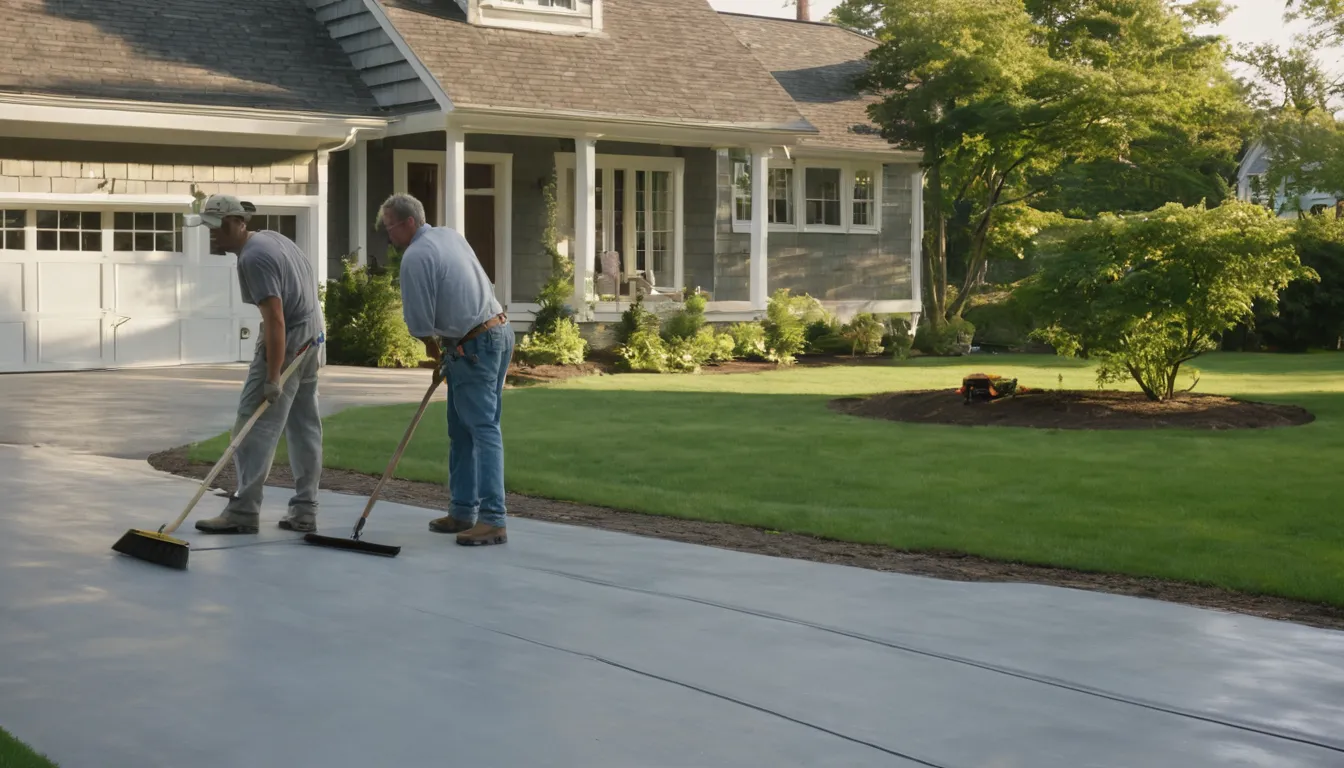
New Concrete Driveways for Agawam Town Homeowners
A lot of people think a new driveway is a big mystery. In practice, it is a short list of choices: size, thickness, finish, and when to schedule. Humanfollows Concrete explains each one in plain words so you know what to ask.
Then we connect you with an independent provider in the Agawam Town area. The provider visits, sets the scope, and gives you a written quote. Humanfollows Concrete does not do the work. We just keep the first step short, so you can talk to a real person instead of searching for hours.
Myth: Concrete Is Just Poured and Done
A lot of people think a driveway is simple. Mix it, pour it, walk away. In practice, the work under the slab matters as much as the slab. Soil, gravel, drainage, and timing all decide how long it lasts.
This page is a first-timer guide. It starts with the signs that matter most, then walks through the project step by step.
Is It Time for a New Driveway?
Many homeowners wait too long. Small problems grow fast once water gets in. Here is what to watch for.
Cracks That Keep Growing
Hairline cracks are common. Wide cracks, or cracks that spread each season, are different. They often mean the base underneath is moving.
Sunken or Tilted Slabs
If one panel sits lower than the next, the ground below has shifted. That can be a trip hazard. It can also send water toward your house.
Flaking Surface and Exposed Stone
When the top layer peels and small stones show, the surface is wearing out. Winter salt and repeated freezing make this worse.
Pooling Water and Ice
Puddles that stay after rain turn into ice sheets in cold months. A driveway should shed water, not hold it.
Patch or Replace?
Myth: every problem needs a full tear-out. Fact: some surface damage can be handled with concrete driveway repair. A provider can look at the slab and tell you which path fits. If the base has failed, patches tend to be short-lived. Replacement may make more sense.
Request a callback to check provider availability and talk through what you are seeing.
What a New Driveway Project Includes
Most projects follow the same path. Your provider may adjust it for your lot.
- Removing the old driveway, if there is one
- Grading the soil so water runs away from the house
- Adding and compacting a gravel base
- Setting forms and, in many cases, steel reinforcement
- Pouring, smoothing, and finishing the concrete
- Cutting joints so cracks form where they should
This is concrete flatwork, and the order matters. Skipping base prep is the most common shortcut. It is also the one that shows up later as cracks.
Size, Thickness and Finish
Start by measuring how you use the space. Count your cars. Think about guests, trash bins, and turning around. Many first-timers go too narrow and wish they had added a foot or two.
How Thick Should It Be?
Many home driveways are poured about four inches thick. Heavier vehicles may call for more. Ask the provider what thickness they suggest and why.
Finish Choices
A broom finish is common because it gives grip when wet. Smooth finishes look clean but can be slick. Your provider can show you options that suit your climate.
Permits and the Street Apron
Myth: a driveway on your own property never needs paperwork. Fact: many towns ask for a permit, especially when the work touches the curb or sidewalk.
The apron is the section where your driveway meets the street. It often falls under town rules, with set widths and thickness. A local provider usually knows what your town expects. Ask who files the permit before you sign anything.
Cold Weather and Freeze-Thaw
Winters with snow, spring melt, and coastal storms are hard on concrete. Water seeps in, freezes, and expands. Then it thaws and repeats.
Good drainage and a solid base help a lot. So does air-entrained concrete, which is mixed to handle freezing. Ask your provider if that is what they plan to use.
Older homes with stone or block foundations need extra care. A driveway that slopes toward the house can push water against the walls. If you already see damp basement walls, foundation repair experts are a separate trade, and it is worth sorting that out before new concrete goes down.
Picking an Independent Provider
You do not need to be an expert. You just need good questions.
- Can I see a written quote that lists what is included?
- What base and thickness do you plan to use?
- Who handles permits and the street apron?
- How long before I can walk and drive on it?
- What happens if the weather delays the pour?
Compare quotes line by line, not just the bottom number. A very low price can mean thin concrete or a skipped base.
Ready to talk to a local provider? Send a simple request and say what you have in mind.
After the Pour
Fresh concrete needs patience. Keep foot traffic off for the time your provider gives you. Keep cars off longer. Many providers suggest waiting about a week, but follow their advice for your mix and weather.
Concrete keeps getting stronger as it cures, so avoid heavy loads early.
Care Through the First Winter
Myth: salt is harmless. Fact: de-icing salt can damage new concrete in its first winter. Ask the provider about sealing and which products are safe. Use a plastic shovel, too, since metal edges can chip the surface.
Start With a Simple Request
You do not need drawings or a perfect plan. Tell Humanfollows Concrete what you want, and we connect you with a provider who can take it from there. The provider does the work, sets the scope, and gives you the written quote. You decide if it fits.
What's Included
Old Driveway Removal
Providers can break out and haul away worn slabs so the new base starts on clean ground.
Grading and Base
Shaping the soil and packing gravel gives concrete steady support and helps water drain away.
Forms and Reinforcement
Forms set the shape and edges, while steel or mesh helps hold the slab together.
Pour, Finish and Joints
Concrete is poured, smoothed, textured for grip, and cut so cracks follow planned lines.
Typical Concrete Driveway Costs in the U.S.
Prices vary by size, soil, access, and local rules. These are typical U.S. ranges only, so always ask for a written quote before work starts.
| Item | Typical range | Notes |
|---|---|---|
| Basic driveway pour (per sq. ft.) | $6 – $12 | Broom finish, standard thickness, simple layout |
| Old driveway removal | $1 – $3 per sq. ft. | Depends on thickness and haul-away distance |
| Gravel base and grading | $1 – $4 per sq. ft. | Poor soil or slopes can raise the price |
| Reinforcement (mesh or rebar) | $0.50 – $2 per sq. ft. | Often advised for heavier vehicles |
| Permit and street apron work | $150 – $2,500 | Varies a lot by town and apron size |
| Sealing after curing | $0.50 – $2 per sq. ft. | Can help against salt and moisture |
How It Works
Share Your Plan
Tell us the size, the goal, and any trouble spots you see on your current driveway.
Get Matched With a Provider
Humanfollows Concrete refers you to an independent concrete provider that serves your part of the Agawam Town area.
Review the Written Quote
The provider looks at your site, sets the scope, and sends a quote you can compare.
Choose and Schedule
If the plan feels right, you agree on a start date directly with the provider.
Why Call Humanfollows Concrete
Less Searching, More Talking
Skip hours of browsing. Make one simple request and get pointed to a local provider.
Independent Providers
Providers in our network run their own businesses, set their own scope, and write their own quotes.
Plain Words
Concrete terms get explained simply, so a first-timer knows what to ask and what to expect.
No Obligation
Talking to a provider costs you nothing to start, and you choose whether to move ahead.
Other Services
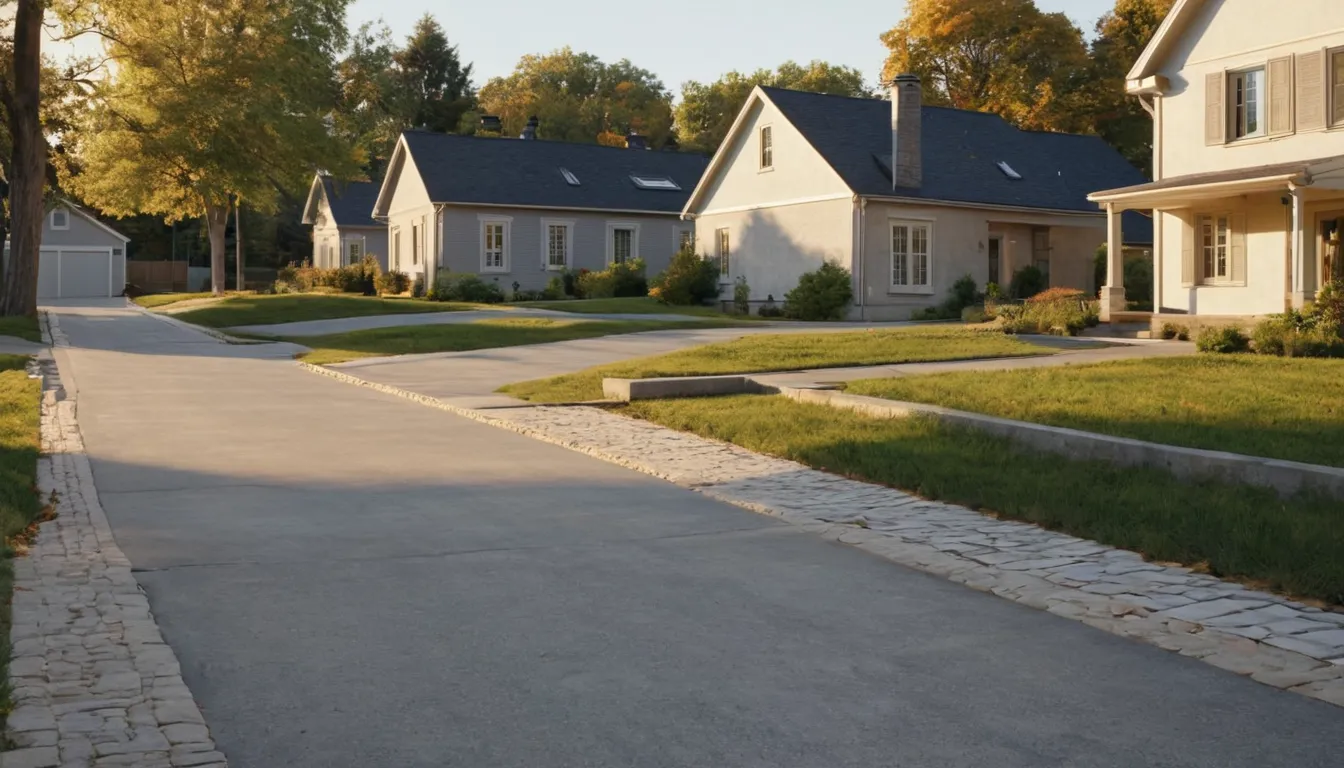
Need concrete driveways in Agawam Town?
Planning a new driveway or patio? Request a callback to check provider availability, or send a few lines about your project and request an estimate.
No obligationConcrete Driveways FAQ
How long does a new concrete driveway last?
With a solid base, good drainage, and proper joints, a concrete driveway can last decades. Cold winters, salt, and poor prep shorten that. Ask your provider how they plan the base and drainage.
How long before I can drive on a new concrete driveway?
Most providers ask you to keep cars off for about a week, and foot traffic off for a day or two. Weather changes this, so follow the exact timing your provider gives you.
Do I need a permit for a new driveway?
Often yes, especially if the work touches the curb, sidewalk, or street apron. Rules differ by town. A local provider usually knows what is needed, so ask who will handle the permit.
Request a callback
Planning a new driveway or patio? Request a callback to check provider availability, or send a few lines about your project and request an estimate.
No obligation